
"Smout huller"
60 article(s) found

Processing of coffee beans production of coffee beans
Sun-dried coffee beans [Pirajui in Sao Paulo, Brazil] there are two ways to prepare coffee beans for roasting. The method chosen has a significant impact on the final price and quality of coffee. The cheapest processing method is called drying, which is used for lower-grade coffee beans, while higher-quality coffee beans are wet-treated.

Coffee beans must be stored in a dry environment to explain coffee bean preservation skills (2)
Two methods of coffee bean production after harvest to the market before shipment to remove the skin, pulp, skin and silver. There are two methods: drying (also known as natural method or non-washing) and washing. Dry type: The method is relatively simple. First of all, the fruit will be just picked widely spread in the sun for a week or two, until the fruit issued a cracking sound so far, natural drying. After that, with
High-quality coffee to learn the processing of coffee beans
Sun-dried coffee beans [Pirajui in Sao Paulo, Brazil] there are two ways to prepare coffee beans for roasting. The method chosen has a significant impact on the final price and quality of coffee. The cheapest method of processing is called drying, which is used for lower-grade coffee beans, while higher-quality coffee beans are processed by wet treatment.

Coffee beans production process how to make milk foam
After harvest, the skin and flesh must be removed. Coffee beans are made by removing the endocarp and silver peel. There are two methods: drying (natural drying, non-washing) and washing. Drying type, the operation is relatively simple, the harvested fruit spread on the dry site, in the sun for a week or two, turning when you can hear the sound of cluck cluck said dried. and then using a huller to peel the flesh of the dried fruit

What are the processing methods of coffee beans? Drying method
Sun-dried coffee beans [Pirajui in Sao Paulo, Brazil] there are two ways to prepare coffee beans for roasting. The method chosen has a significant impact on the final price and quality of coffee. The cheapest method of processing is called drying, which is used for lower-grade coffee beans, while higher-quality coffee beans are processed by wet treatment.

Basic knowledge of Fine Coffee processing of coffee beans (figure)
Sun-dried coffee beans [Pirajui in Sao Paulo, Brazil] there are two ways to prepare coffee beans for roasting. The method chosen has a significant impact on the final price and quality of coffee. The cheapest method of processing is called drying, which is used for lower-grade coffee beans, while higher-quality coffee beans are processed by wet treatment.

The processing of coffee beans the process of processing coffee fruits
Sun-dried coffee beans [Pirajui in Sao Paulo, Brazil] there are two ways to prepare coffee beans for roasting. The method chosen has a significant impact on the final price and quality of coffee. The cheapest method of processing is called drying, which is used for lower-grade coffee beans, while higher-quality coffee beans are processed by wet treatment.
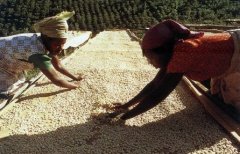
Coffee Technology Fine Coffee Fruit Coffee Bean Processing
There are two ways to prepare coffee beans for the coffee roasting process. The method chosen has a significant impact on the final price and quality of coffee. The cheapest method is called drying, which is used for lower quality coffee beans, while higher quality coffee beans are processed by wet processing. Drying is used on unwashed coffee beans. Wet treatment is used for thoroughly cleaned or semi-cleaned

Processing of coffee beans production of high-quality coffee beans
Sun-dried coffee beans [Pirajui in Sao Paulo, Brazil] there are two ways to prepare coffee beans for roasting. The method chosen has a significant impact on the final price and quality of coffee. The cheapest method of processing is called drying, which is used for lower-grade coffee beans, while higher-quality coffee beans are processed by wet treatment.
Basic knowledge of coffee harvesting and processing methods of coffee beans
From the coffee-producing countries, we can find that since almost all coffee is produced in countries with more cheap labor, it can be guessed that the process of harvesting coffee beans requires a lot of manpower. Yes, the harvesting of coffee is very hard and requires a lot of manpower, especially in many high-quality coffee, which can only pick fully ripe red cherries from coffee trees.

The processing of coffee basic knowledge and high-quality coffee beans (figure)
Sun-dried coffee beans [Pirajui in Sao Paulo, Brazil] there are two ways to prepare coffee beans for roasting. The method chosen has a significant impact on the final price and quality of coffee. The cheapest method of processing is called drying, which is used for lower-grade coffee beans, while higher-quality coffee beans are processed by wet treatment.

Harvest and processing methods of coffee beans General knowledge of fine coffee
From the coffee-producing countries, we can find that since almost all coffee is produced in countries with more cheap labor, it can be guessed that the process of harvesting coffee beans requires a lot of manpower. Yes, the harvesting of coffee is very hard and requires a lot of manpower, especially in many high-quality coffee, which can only pick fully ripe red cherries from coffee trees.

Brief introduction of taste treatment method for description of species and flavor in structural diagram of coffee beans
A brief introduction to the flavor description method of coffee bean structure diagram another method is water washing, in which the fruit to be harvested is put into a flowing tank, after the floating fruit is removed, the skin and flesh are removed by a pulp remover. Then put it in the sink to remove the emerging pulp. After that, move into the fermentation tank, soak for half a day to a day, and then put the gum on the surface of the fermented coffee beans

Introduction to the characteristics of Lim Nichols Nema Farm Coffee in Lim Coffee area of Ethiopia
Professional coffee knowledge exchange more coffee bean information please pay attention to the coffee workshop (Wechat official account cafe_style) Limu) is in the southwest of the country, not long from the capital, out of the city can see a westward road, another to the name of the producing area: Lekempti (Lekampi), and then straight southwest, another larger road is to Jimma, and

Costa Rican Mila Pearl Manor anaerobic fermented Rose Summer Coffee beans _ Costa Rican Rosa is good?
Professional coffee knowledge exchange more coffee bean information please follow the coffee workshop (Wechat official account cafe_style) Costa Rica Geisha Nature Li Siying 2018CBrC competition beans coffee beans from Costa Rican coffee, Tarazu producing area, Milasu Manor, 1900-2000m above sea level. This is a very small manor, and the whole estate is owned by Esteban and him.

Coffee beans-production tips and production methods
1. In order to avoid bitterness, never boil coffee. The ideal temperature should be between 90 ℃ and 96 ℃. two。 Don't heat the coffee again. It is recommended to determine how much to make according to the amount of drinking each time, and make sure you get fresh coffee every time. The temperature to maintain the best flavor of coffee is 86 ℃. 3. Use fresh, cold water to make. The water content of each cup of coffee is 98%. If the water

Green coffee beans semi-washing treatment method planting process growth environment introduction
Coffee is either dried naturally on the patio, or dried by a machine, or both. The treatment method is to spread the coffee cherries widely in the exposure field for two weeks, and sweep them several times a day with a rake to make the coffee beans dry more evenly. When dried, the beans separate from the outer skin

The basic situation of Coffee Tree planting Coffee harvesting and processing
Timely harvest is an important link to ensure high coffee yield and improve product quality. The standard of harvest varies with different varieties: the harvest time of small seed coffee is more concentrated, and the fruit can be harvested when the fruit turns red, and it should be picked with ripening. If the fruit turns red completely, the fruit is easy to fall off. The harvest time of medium-and large-grain coffee is longer, and it can wait until more fruits are red or purple.
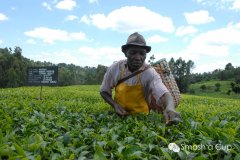
This article will take you into the world of coffee, a complete introduction to fine coffee.
Most Arabica coffee beans mature from June to August and Robart coffee beans from September to October. Therefore, although in some countries where the dry and wet seasons are not obvious, such as Colombia and Kenya, there are two flowering periods a year, that is, two harvests, strictly speaking, only once a year. Due to different regions, the harvest time is also different. North of the equator (eg Ethiopia

Basic knowledge of Fine Coffee production and processing of coffee beans
Coffee in the ancient Middle East, like the legend of 1001 nights, like a veiled girl with a thousand faces, can not only help get close to God, but also wash the spring of sadness. When it comes to coffee, we have to mention Turkish coffee in the Middle East, because no matter from the perspective of Islam or Christianity, the origin of coffee is in the remote and mysterious Middle East. In the thirteenth to fifteenth centuries, it grew.